Geothermal Energy
This kind of energy is heat derived within the sub-surface of the earth. Water and/or steam carry the geothermal energy to the Earth’s surface. Depending on its characteristics, geothermal energy can be used for heating and cooling purposes or be harnessed to generate clean electricity.
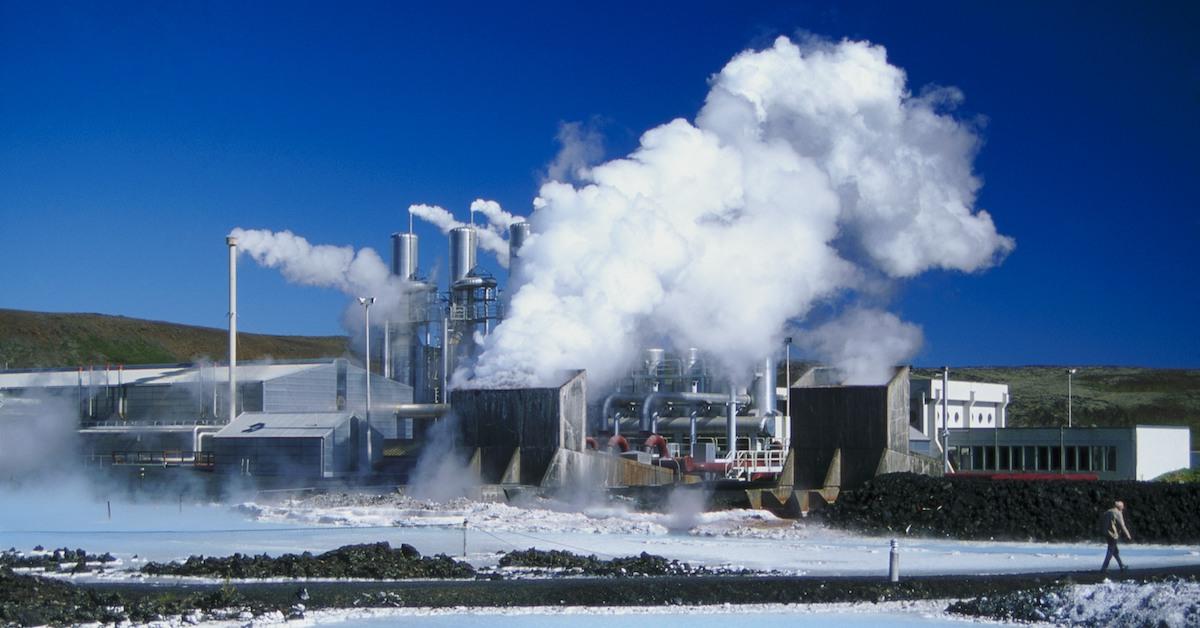
Geothermal energy is used in over 20 countries. The United States is the largest producer of geothermal energy in the world, and hosts the largest geothermal field.
Pros and Cons of geothermal energy
Geothermal energy only produces one-sixth of the CO2 produced by a natural gas plant and is not an intermittent source of energy like wind or solar. Its potential production could reach at least 35GW and as high as 2TW.
However, there are some drawbacks to the energy source. Despite low CO2 production geothermal has been associated with other emissions like sulphur dioxide and hydrogen sulphide.
Similar to fracking, geothermal power plants have been the cause of mini tremors in the area they operate in and also has a high initial cost to build. It is also described as “the most location-specific energy source known to man” due to its activity being along the tectonic plates of the earth’s crust.
Geothermal energy in Guatemala
"Geothermal development started in the late 1970s by the INDE (Instituto Nacional de Electrificación) and along with international support, curated the initial and actual data of potential geothermal fields. Preliminary studies discovered thirteen (13) potential geothermal sites and from them, five (5) were selected by the INDE. The five sites were: Zunil (1 and 2), Amatitlan, Tecuamburro, San Marcos, Moyuta. Zunil is considered one divided into two developments" (Hanson, 2020).

There has been an increased interest in direct-use geothermal applications in Central America and Guatemala is presently in the lead with these developments. Other than the typical recreational applications common to geothermal-inclined countries, three significant projects stand out in Guatemala. These are:
- Bloteca – a concrete product manufacturing company. Geothermal steam is used for the curing process of the products. This presents a huge advantage, not only in the agility of production but also over the competition.
- Agroindustrias La Laguna – a fruit and vegetable drying plant that was built in 2001.
- LEMONEX – Agroindustrias La Laguna was used as the template for this project. Here a large-scale dehydrator is used specifically for drying lemons.
- Hanson, Patrick. (July 31, 2020). Geoenergy. Geothermal Country Overview: Guatemala. Retrived March 10, 2021 from https://www.geoenergymarketing.com/energy-blog/geothermal-country-overview-guatemala/
Comentarios
Publicar un comentario